About
Built by the team that
lived this problem
We spent years building developer tools and working with engineering organizations of every size. One pain showed up everywhere.
Founders
Meet the team behind Tidra
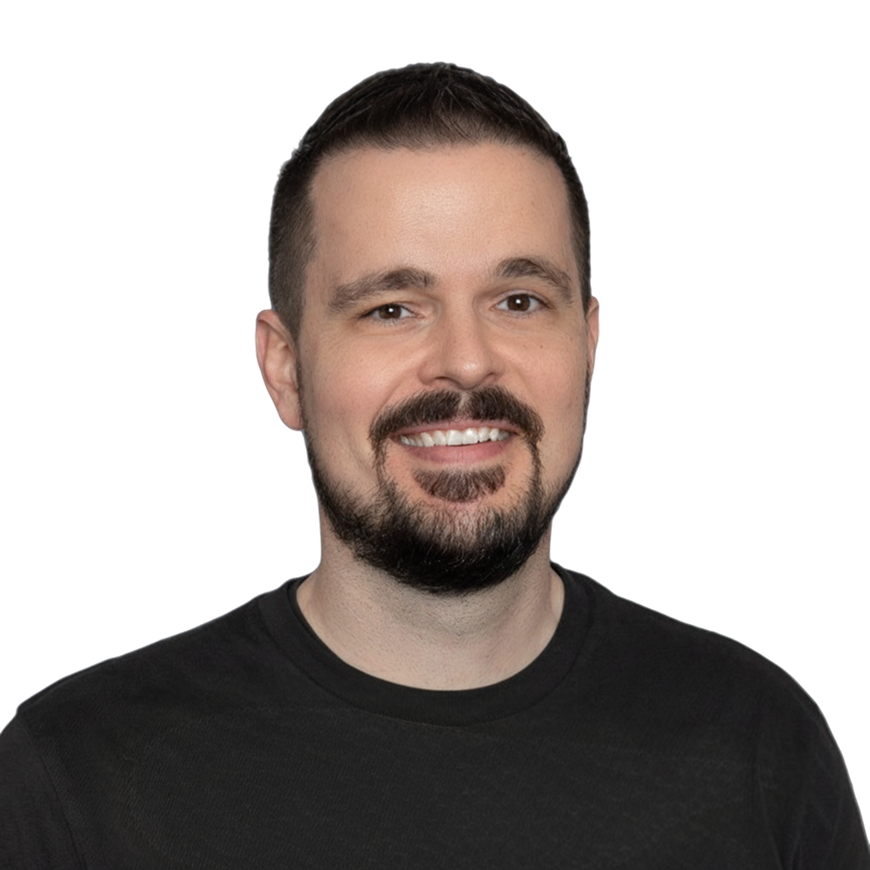
John Laban
Co-Founder & CEO
Serial entrepreneur and engineering leader with deep experience building developer tools and platform infrastructure at scale.
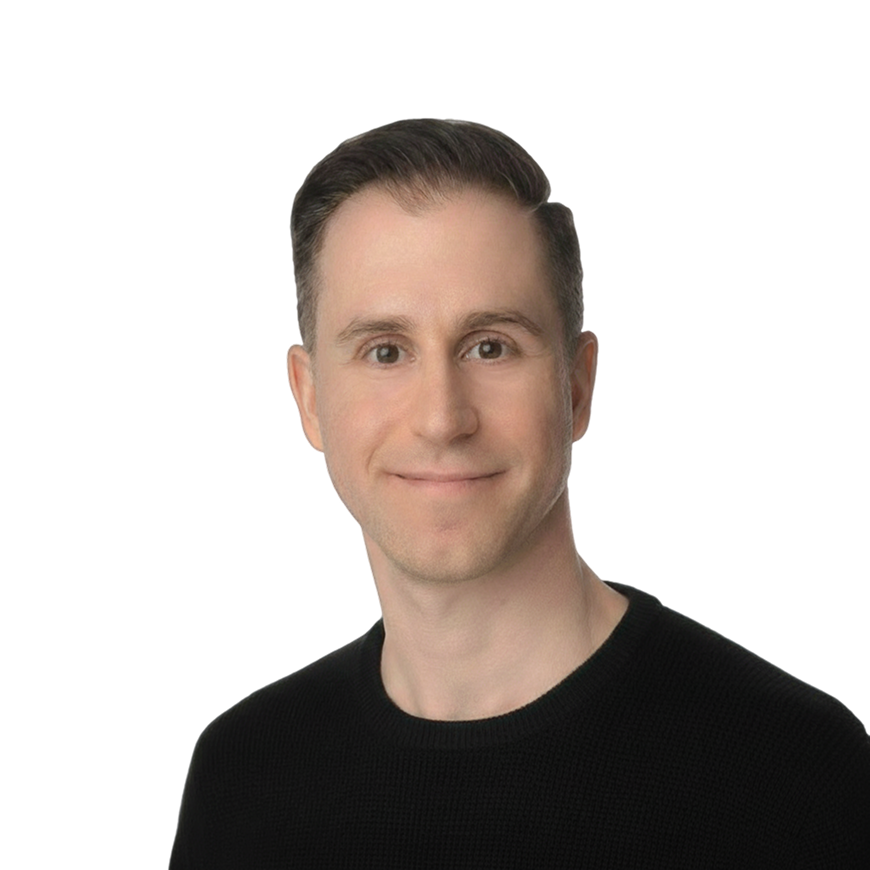
Ken Rose
Co-Founder & CTO
Experienced technologist who has spent years solving the hardest problems in service ownership, developer experience, and code maintenance at scale.
The maintenance tax
Every engineering organization has a growing backlog of work that never makes it onto a roadmap slide: dependency upgrades, security patches, framework migrations, config standardization, infrastructure updates. The operational work that has to get done.
Engineering leaders call it KTLO, "keeping the lights on." It quietly consumes at least 20% of a team's capacity. In many organizations, closer to 50%.
Skip it and you accumulate security risk, outdated frameworks, and slower delivery with every passing quarter. Do it diligently and you burn a massive chunk of capacity on work that will never show up in a product demo, never close a deal, never move a metric your board cares about.
And it only grows. Systems get older and more complex. AI tools mean more code than ever. New compliance frameworks appear every year. The maintenance surface area expands relentlessly.
20-50%
of engineering capacity spent on maintenance
100+
engineering organizations where we saw this firsthand
Our Team
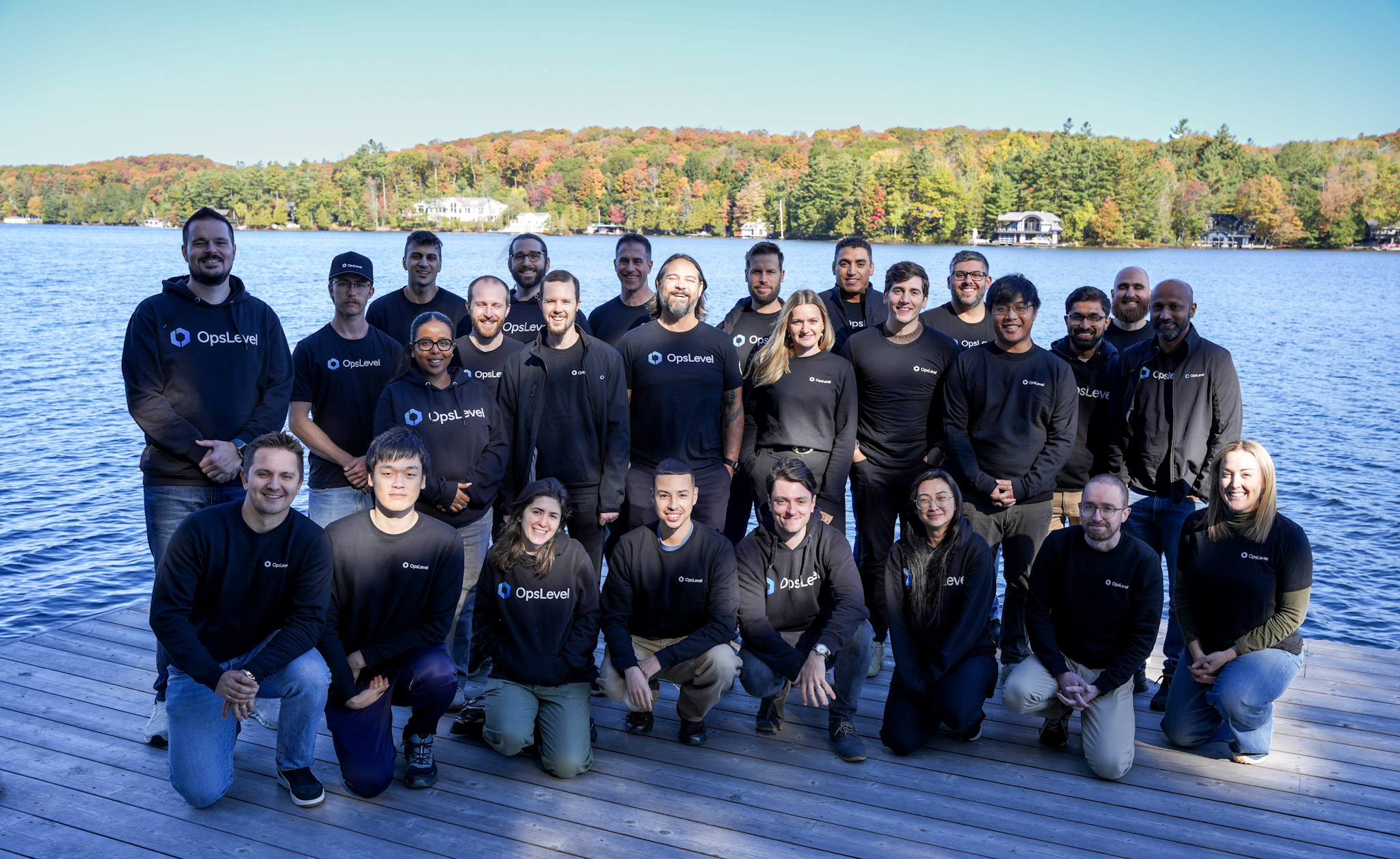
What we built first
Working with over a hundred engineering organizations, our team built OpsLevel, an internal developer portal that automatically catalogs software services and helps platform teams raise standards across their org. A big part of that was helping teams coordinate maintenance campaigns and initiatives at scale.
"We could coordinate the work. We could track the work. But we couldn't do the work. That last mile was always manual."
From tracking to doing
We could tell you which repos were out of compliance and who owned them. But the actual work (opening each repository, understanding its structure, making the change, testing it, submitting the PR) was still manual. Multiply that across hundreds of repos and you're back to burning engineering weeks on work that follows a pattern.
So we built Tidra to close that gap. Define a maintenance initiative. Tidra analyzes each repository, generates context-aware code changes, and opens pull requests at scale. Work that consumed your best engineers for weeks happens in hours.
Getting this right is harder than it looks. Correctness across diverse codebases. Efficiency at scale. Ownership tracking for generated changes. Trust in the output. These are the problems our team is solving, and they're the same problems we spent years understanding from the platform engineering side.
Maintenance isn't one problem. It's a hundred problems that share a pattern. We intend to solve them all.
AI means the world is going to have more software, not less. More software means more systems to maintain, more dependencies to track, more surface area for every kind of operational debt. The maintenance tax doesn't shrink as technology improves. It compounds.
We see the need for purpose-built tools that understand codebases, operate at scale, and earn the trust of the engineers reviewing the output.
We're building Tidra to radically reduce the human effort required to maintain software. When maintenance stops consuming 20–50% of your engineering capacity, everything changes. Features that were six months out move to three. The backlog of "we'll get to it" actually gets done. Your best engineers work on the problems they were hired to solve.